
Donate to high-impact, cost-effective programs—backed by evidence and analysis
Last updated: September 2025
Give Effectively

Give to cost-effective, evidence-backed programs
We search for programs that save or improve lives the most per dollar. These are the best we’ve found. Supported by 70,000+ hours of research annually.(1)

Donate based on evidence—not marketing
Even well-meaning organizations can fail to have impact. We provide evidence-backed analysis of effectiveness.
Pick a charity or give to our Top Charities Fund
We grant from our Top Charities Fund to the programs where we believe donations will help the most. Either way, we take zero fees.
Charity 1 of 4
Medicine to prevent malaria
Overview
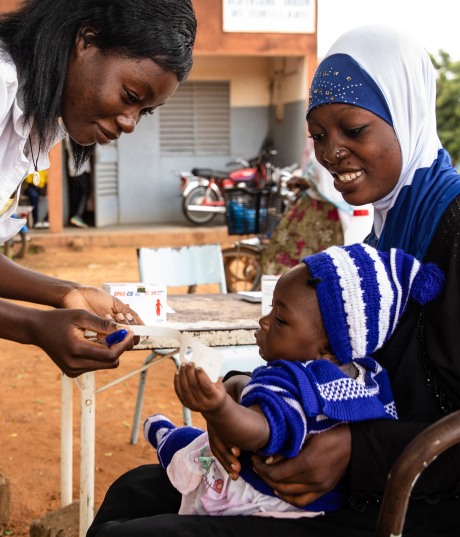
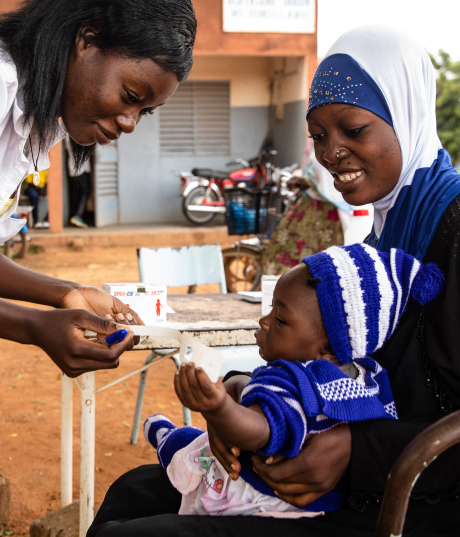
Malaria kills around 600,000 people annually, mostly children under 5 in sub-Saharan Africa.(2) Seasonal malaria chemoprevention is preventive medicine that saves children’s lives. It is given during the four months of the year when malaria infection rates are especially high.
COST-EFFECTIVENESS
About $7 to protect a child from malaria.(3) In 2022-2024, we directed funding to the Malaria Consortium to support this program at an estimated average cost-effectiveness of $4,000 per life saved.(4)
Compare to most charities’ programs
EVIDENCE OF IMPACT
Exceptionally strong. Many high-quality studies of seasonal malaria chemoprevention have consistently found strong impact. Malaria Consortium conducts valuable, high-quality ongoing monitoring.
Compare to most charities’ programs
TOP ORGANIZATION IN THIS AREA
Charity 2 of 4
Nets to prevent malaria
OVERVIEW
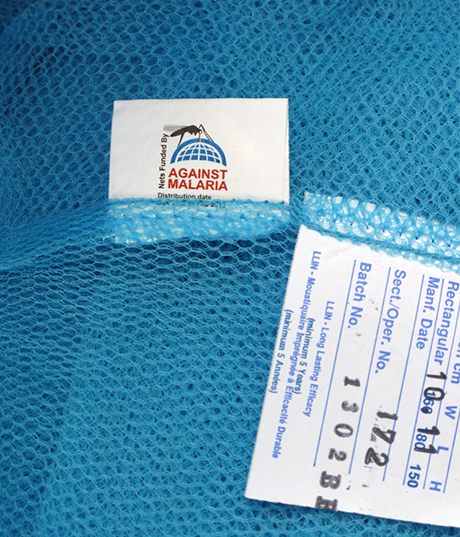
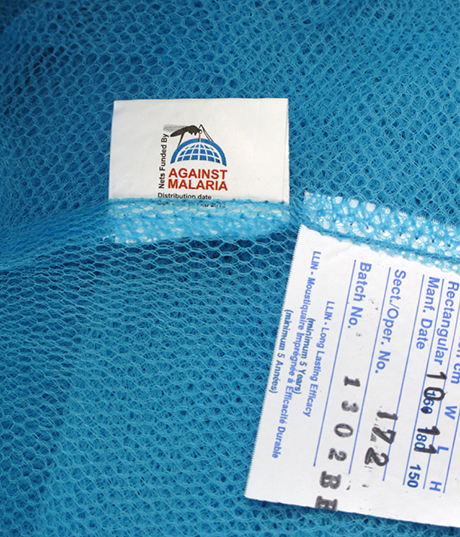
Malaria kills around 600,000 people annually, mostly children under 5 in sub-Saharan Africa.(5) Nets save lives. Recipients of nets hang and sleep under them so they are not bitten by malaria-carrying mosquitoes.
COST-EFFECTIVENESS
About $6 to provide one net.(6) In 2022-2024, we directed funding to the Against Malaria Foundation to support this program at an estimated average cost-effectiveness of $5,500 per life saved.(7)
Compare to most charities’ programs
EVIDENCE OF IMPACT
Exceptionally strong. Many high-quality studies of nets have consistently found strong impact. The Against Malaria Foundation conducts valuable ongoing monitoring.
Compare to most charities’ programs
TOP ORGANIZATION IN THIS AREA
Charity 3 of 4
Supplements to prevent vitamin A deficiency
OVERVIEW
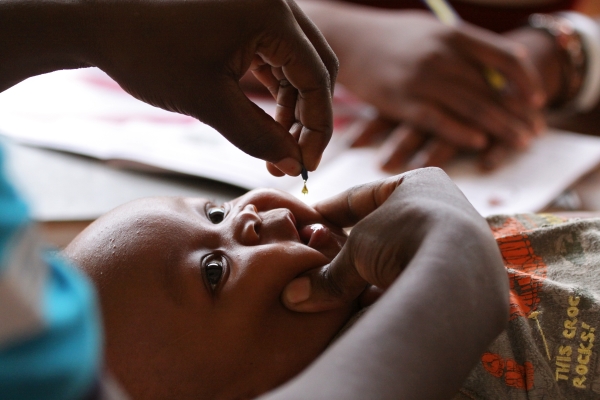
Vitamin A deficiency leaves children vulnerable to infections and can lead to death. We estimate that approximately 28% of children in areas where we’ve modeled Helen Keller Intl’s programs have vitamin A deficiency.(8) This program saves lives by providing vitamin A supplements to children under 5 years old.
COST-EFFECTIVENESS
About $2 to provide vitamin A supplements to a child for one year.(9) In 2022-2024, we directed funding to Helen Keller Intl to support this program at an estimated average cost-effectiveness of $3,500 per life saved.(10)
Compare to most charities’ programs
EVIDENCE OF IMPACT
Very strong. Many high-quality studies of vitamin A supplementation show strong impact, though results vary by study. Helen Keller Intl conducts valuable ongoing monitoring.
Compare to most charities’ programs
TOP ORGANIZATION IN THIS AREA

Charity 4 of 4
Cash incentives for routine childhood vaccines
OVERVIEW
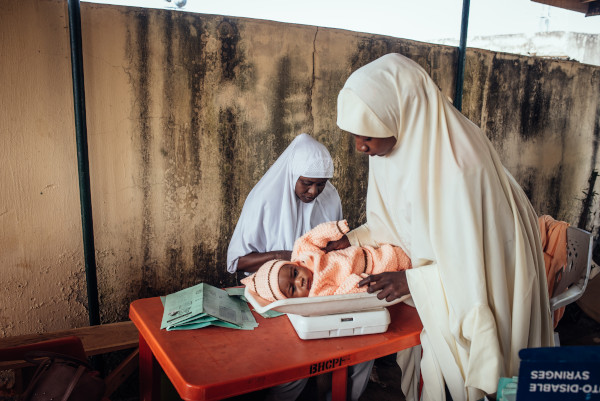
In Nigeria, 33% of infants did not receive all recommended childhood vaccines in 2021.(11) This program provides cash transfers to incentivize caregivers to bring babies to clinics for routine childhood vaccinations, which prevent disease and reduce child mortality. It operates in Northern Nigeria.
COST-EFFECTIVENESS
About $146 to vaccinate an infant.(12) In 2022-2024, we directed funding to New Incentives to support this program at an estimated average cost-effectiveness of $4,500 per life saved.(13)
Compare to most charities’ programs
EVIDENCE OF IMPACT
Exceptionally strong. A high-quality study of New Incentives’ program found strong impact. New Incentives conducts valuable, high-quality ongoing monitoring.
Compare to most charities’ programs
TOP ORGANIZATION IN THIS AREA
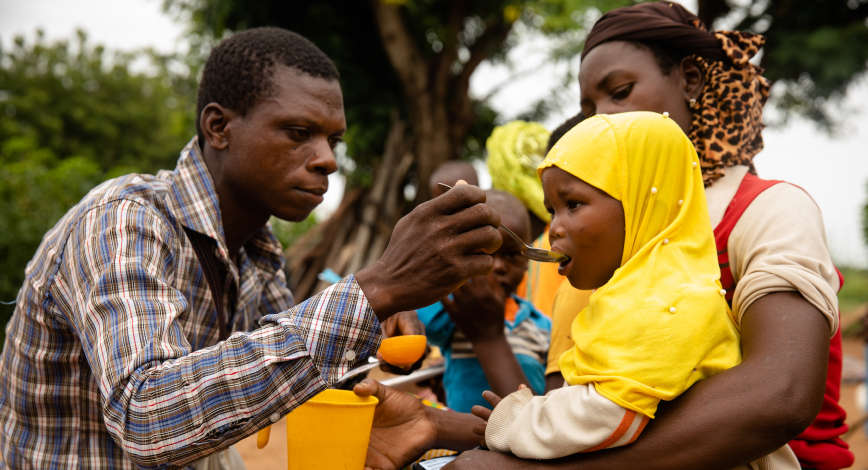
GiveWell’s Top Charities Fund
This is the best fit for donors who prioritize cost-effectiveness and desire a high level of confidence in their impact. We take zero fees and use our most up-to-date research to grant your gift where we believe it will help the most.
We engage in ongoing conversation with our Top Charities about their plans and funding needs, review funding opportunities, and then make grants to the high-priority opportunities our research identifies. Once we grant your donation, we’ll email you to let you know which program or programs we selected and what we expect your donation will accomplish.
You can find more information about the Top Charities Fund, including a list of past distributions, here.
donate